
This short quiz looks at how you respond, observe, and protect yourself — not how loud or outgoing you are.
It helps you see the patterns your shyness has been shaping over time.
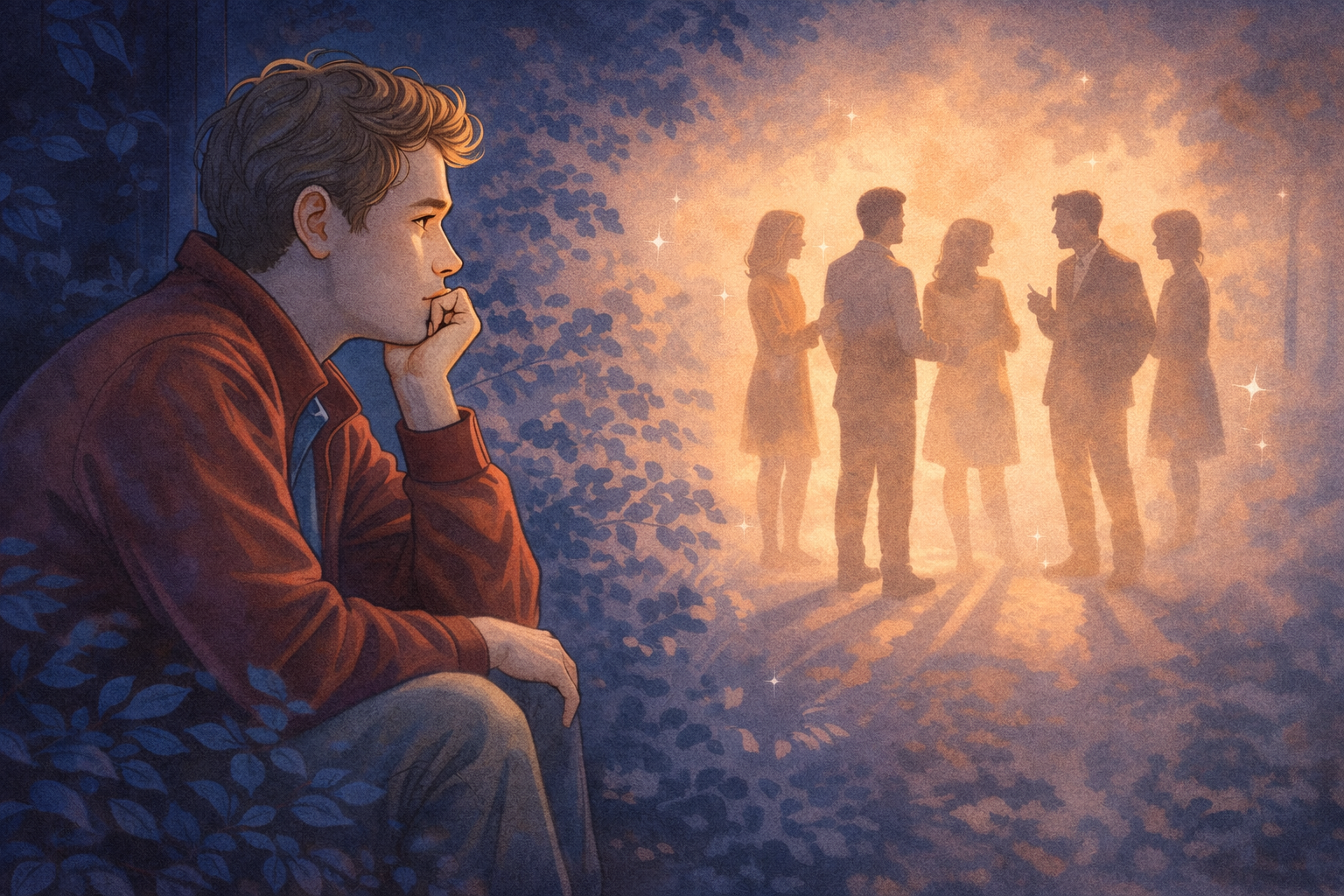
Shyness is a strategic advantage — not a limitation.
It develops instincts like observation, empathy, timing, and depth that most confidence advice overlooks.
I help people use those quiet strengths with purpose, while staying true to their core values.
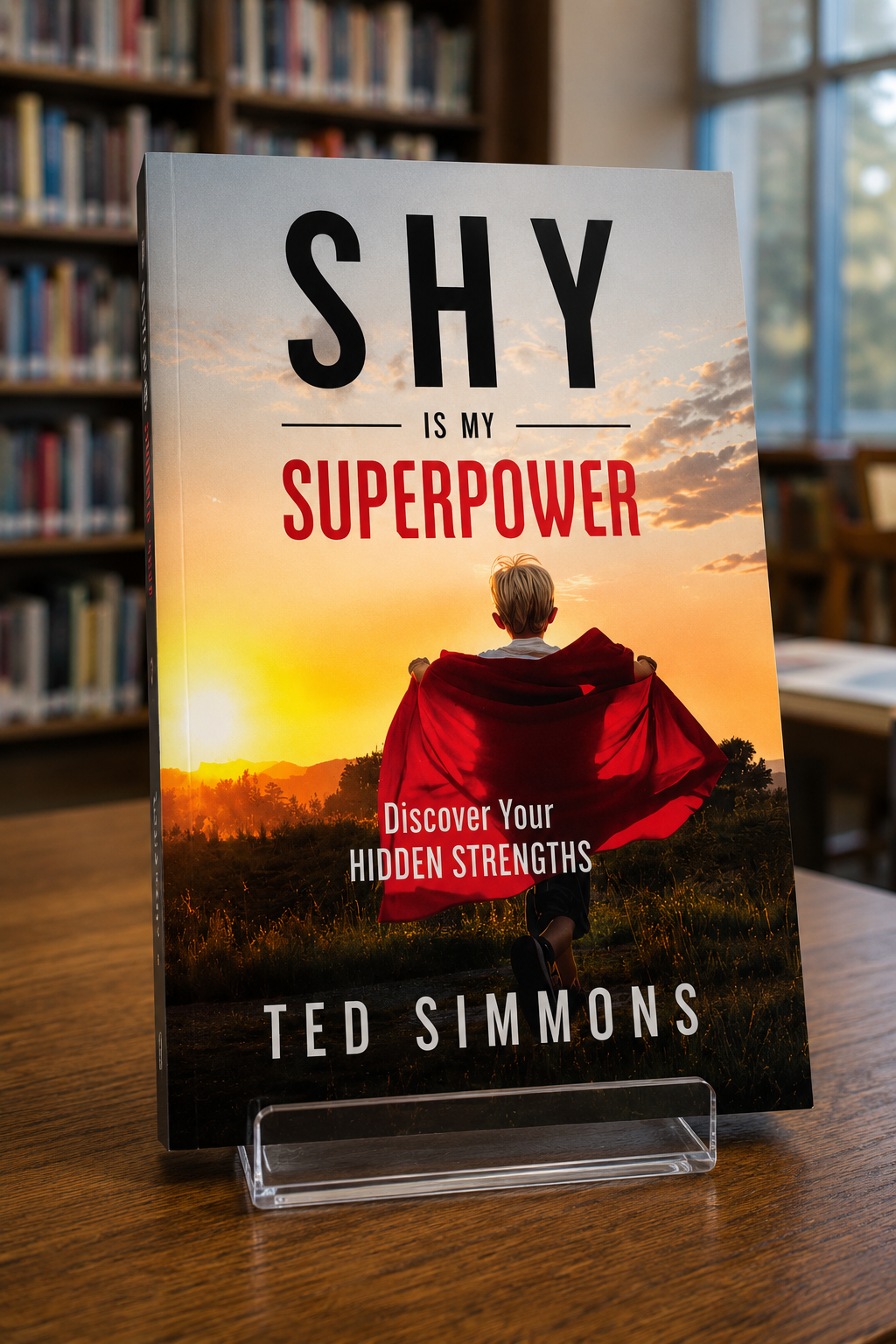
Discover Your Hidden Strengths
This book explores how traits often associated with shyness — observation, sensitivity, reflection, and restraint — quietly develop into real-world strengths.
Through personal stories and practical reframing, it shows how small internal shifts can lead to lasting confidence and clarity.
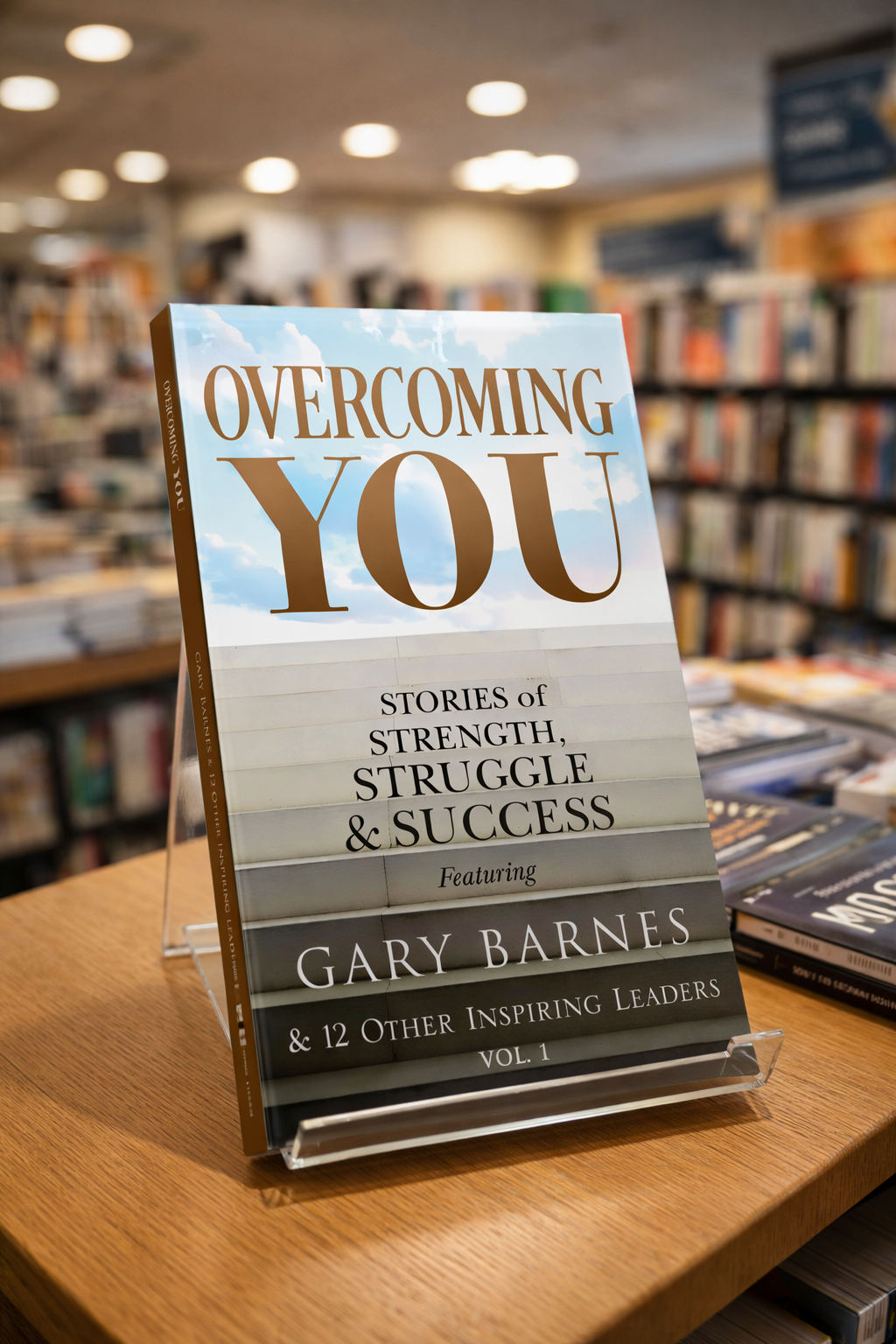
Stories of Strength, Struggle & Success
#1 Amazon Best Seller in Personal Transformation & Business Success
A collection of real transformation stories from leaders who turned internal challenges into unexpected strengths.
Ted’s chapter focuses on how shyness and self-protection can evolve into strategic insight and confidence.
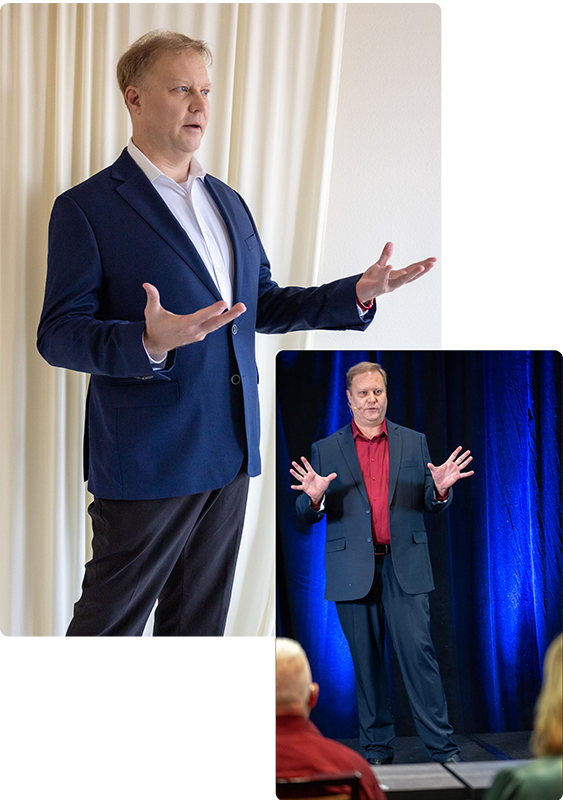
Helping audiences see their quiet strengths and potentials
Ted speaks to organizations, conferences, and teams about confidence, communication, and leadership — especially for thoughtful, quiet, or underestimated people.
His talks help audiences reframe shyness as a strategic advantage, recognize the quiet strengths already at work, and apply small, intentional shifts that lead to real change.
Audiences leave with language, insight, and practical perspective — not a personality they’re expected to adopt.
This short quiz looks at how you respond, observe, and protect yourself — not how loud or outgoing you are.
It helps you see the patterns your shyness has been shaping over time.
Shyness doesn’t create the same strengths in everyone.
You’ll discover which quiet superpower — like observation, empathy, strategy, or creativity — your shyness has been training.
Once you can name your quiet strengths, you can begin using them on purpose — in conversations, work, leadership, and everyday decisions.
Small shifts here lead to meaningful, lasting confidence.
Around 40–50% of adults describe themselves as shy.
Shyness isn’t rare — it’s a common human experience, even if people don’t always talk about it.
Shyness is about fear of social judgment.
Introversion is about how you recharge energy.
You can be shy and outgoing — or quiet and confident.
Shy individuals often observe more before acting.
This can sharpen empathy, pattern recognition, and strategic thinking over time.
Abraham Lincoln, Albert Einstein, and Rosa Parks all described themselves as shy — yet their quiet resolve shaped history.
Speaking less at first often means listening more.
That skill is strongly linked to better decisions, deeper trust, and stronger relationships.
Many well-known performers began as shy individuals.
Over time, they learned how to step forward — without losing who they were.